For over 100 years, the Scholastic Art and Writing Awards, created by The Alliance for Young Artists and Writers, has highlighted the creativity and skill of young artists and writers across the country. Since Emery became involved in the program, its students consistently win many regional awards, and some, such as alumnus Josh Danziger, even gain national recognition. One particular appeal of the Scholastic Awards is the emphasis it places on the originality of its participants. In fact, the Scholastic jurors are asked to evaluate submissions based on “three core values: originality, skill, and the emergence of a personal voice or vision” (The Alliance for Young Artists and Writers’ 2026 Participation Guidelines).
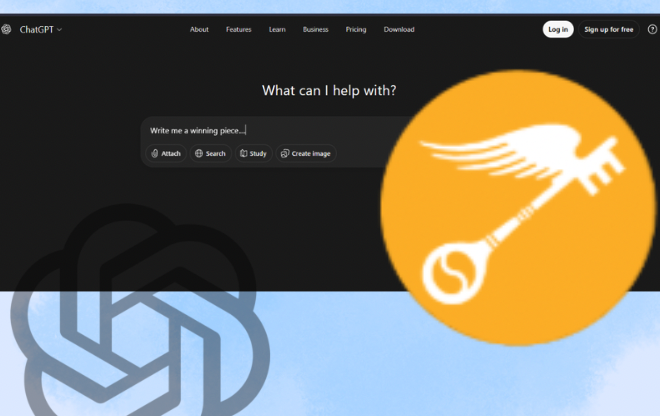
However, on July 1 of this summer, the Alliance changed its copyright and plagiarism rules, incorporating mind-shattering AI allowance. For students submitting to this year’s competition, AI usage is now allowed for key parts of the creative process. According to the competition’s copyright and plagiarism rules, submitters can use “AI technologies to aid in the artistic process during the creation of an entry, such as brainstorming or outlining,” as long as the final product is not AI-generated.
This addition allows AI to do the work of coming up with a unique, creative idea for a creative contest. The ideas, and therefore the pieces themselves, are not fully the students’ works anymore, but a watered-down compilation of AI’s database. Additionally, AI sites and apps sometimes plagiarize pieces of art or writing in order to generate the ideas they provide for the user. It is not always clear where the origin of the AI generation comes from and can muddy the waters of art ownership. The Scholastic competition has an extensive no-plagiarism policy that requires citation and clear division between being inspired by a pre-existing piece and copying it. Failure to comply with these rules can result in disqualification from the contest. However, students may fail to provide an adequate citation if they cannot find the original source behind the AI “brainstorming” or “outlining” generation.
Furthermore, the competition has not defined what an “outline” consists of or how much idea generation counts as brainstorming. One student’s definition of outlining may be much more fleshed out than a judge’s. This inconsistency can cloud the submission rules and either allow for heavily AI-involved pieces being accepted or students getting kicked out of the competition because they didn’t understand how much AI they would be allowed to use.
Unfairness is clearly present in any reading of the new rule. Creative skills and idea generation seem to matter less now if the students aren’t required to do these parts by themselves. Students who do use AI may still be at a disadvantage due to the objectivity present in the judgement of what constitutes too much AI. There didn’t seem to be a significant need to create a new AI policy or allow more AI usage and the only explanation the Alliance gave for the addition was “to better reflect the way you’re [submitting students] creating.” The new policy currently seems to be a poor choice, but no one can truly know its impact until the judgments come out in late January.