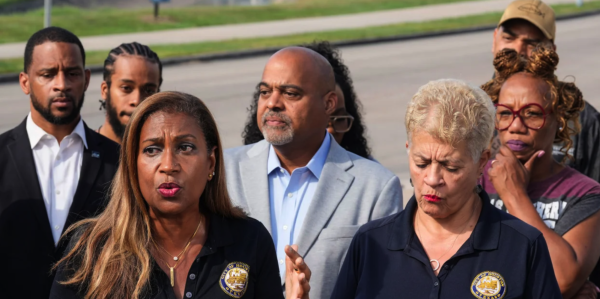

With at least 25 bodies recovered from the Houston bayou system this year, more than double that of the past few years, rumors of a serial killer have been spreading throughout the community. Although Mayor John Whitmire describes this panic as “wild speculation,” it cannot be denied that Houstonians are growing increasingly concerned about the unsafe conditions of the bayous and surrounding areas.
Most recently, on Sept. 15, 20-year-old University of Houston student, Jade McKissic, was found deceased in the Brays Bayou. McKissic, one of seven deaths reported in the bayou system in September, signified the beginning of a turning point for the public. Although her death held no signs of trauma or foul play, it did reveal the unsafe conditions along the 2,500 miles of Houston bayous. Additionally, it played a role in starting conversations regarding public safety for visitors to the bayous and the unhoused population that inhabits the area around them.
The 22 bayous and waterways located in the greater Houston area are not only crucial to managing flood control and providing refuge to native animals, but they also offer a public green space for people to walk, run, and bike.
While the speculation about a serial killer is alarming, Houston Police Captain Salam Zia reassures the public that “[they] weren’t able to find any kind of typical pattern.” No apparent pattern signifies that there is not just one person responsible for these deaths. Indeed, the bodies range in age from 14 to 69 years old and vary in ethnicity and economic status. Causes of death range from suicidal drownings and drug toxicity to blunt force trauma and heart failure. While many of the deaths are still under investigation by the Houston Police Department, at a press conference on Sept. 30, Mayor John Whitmire linked many of the deaths to homelessness. Jay Coons, a criminal justice professor at Sam Houston State University who served with the Harris County Sheriff’s Office for over three decades, says, “A movement within Houston to relocate a lot of the homeless population from downtown could lead them to set up camp along bayous.”
While the serial killer theory may be fun to speculate about on social media, it reveals the extent to which people will go in hopes of avoiding discussions surrounding more serious issues involved with these deaths. Coons admits, “It’s easier to sort of attribute these deaths to a boogeyman serial killer as opposed to confronting the real possible reasons that these deaths are happening.”
A housing-first initiative, passed by Whitmire, reveals how Houston is actively working to reduce the number of homeless individuals. The Houston City Council has approved the $16 million purchase of a downtown facility to convert into temporary housing. Whitmire reveals, “We don’t remove someone if we don’t know where we’re going to place them.” While this provides relief to the unhoused community, it is also a slow and imperfect solution, meaning homelessness is still a central theme when discussing public spaces in Houston.
Looking to the future, many residents have expressed concerns regarding the implementation of city-funded safety measures. Houston City Council Member Letitia Plummer says she’s “working on putting additional safety measures in place along the bayous that could help, including improved lighting, rain signage, call boxes and increased security.” These measures would not only protect visitors to the bayous but also promote them as a safe, public space for connection and activity, additionally benefiting the homeless communities along the bayou.
As someone who loves to run and bike along the bayou, I appreciate the attention to promoting safety along the bayous. With a limited number of public green spaces, the bayous have so much to offer in terms of a nature sanctuary and a place for the Houston community to come together. While these recent deaths are tragic, they have also served as a wake-up call as to the importance of protecting our public spaces and the people who use them.